Onboarding for a Chat Application
ROLE: LEAD PRODUCT DESIGNER
INDUSTRY: WEB3, MESSAGING, TELECOMMUNICATION
SCOPE: ONBOARDING, MULTI-DEVICE LOGIN, DATA STORAGE, BACKUP AND RECOVERY
IMPACT: 98% COMPLETION, 95% ACTIVATION, <4% ERROR RATE
Overview
The Challenge
My Role
Discovery - The Problem
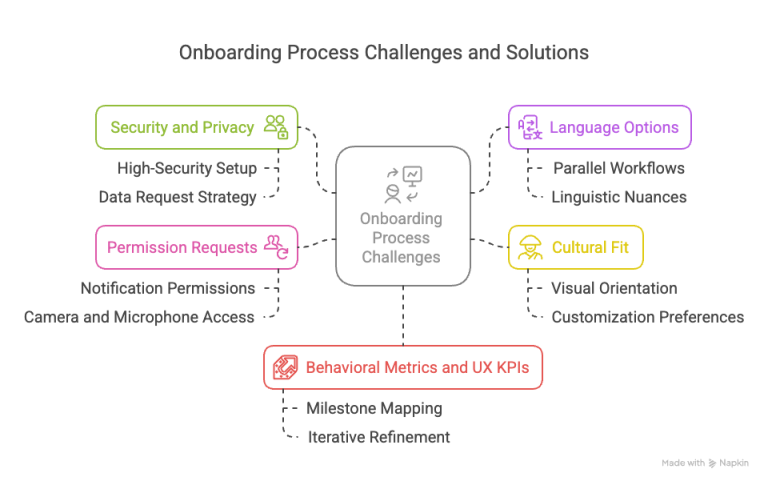
Security vs. usability
Strong protection from the first interaction, in an experience that still had to feel fast and familiar.
Privacy vs. recovery
Privacy-first decisions improved protection but reduced how much the system could help if someone lost access or changed devices.
The storage decision
How user data is stored directly shaped security, continuity, and what restoration was even possible.
Recovery starts at onboarding
Recovery couldn't be designed later. The first flow had to lay the foundation for secure restoration.
Required data matters
The minimum data asked of users wasn't a form-design choice. It set what the product could verify, recover, and protect later.
The Solution
Reduce unnecessary decisions at the start
Introduce security without making it feel heavy
Define the minimum viable data
Sequence the permissions
Design for failure, not just success.
The Process
Research
Information architecture

User flows

Interaction design

Error and edge-case handling

The Outcome
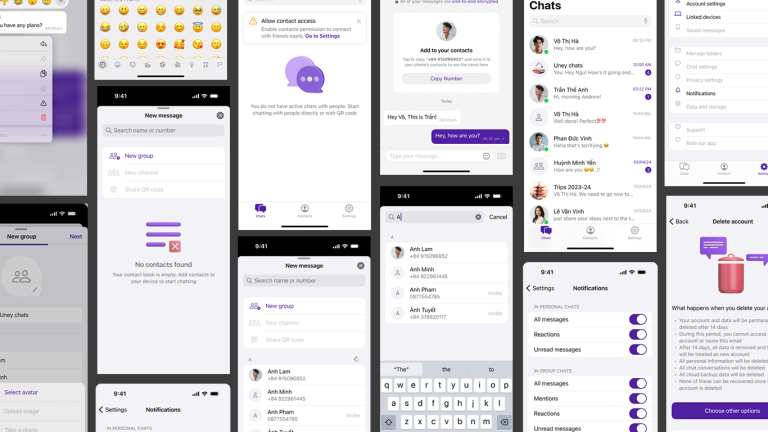
4-step flow
Condensed onboarding into four purposeful steps, security model intact.
98% completion
A low-friction entry users could finish quickly and confidently.
95% activation
Most users took a meaningful first action right after onboarding, not just created an account.
<4% error rate
Most issues traced to minor input, not structural flow problems.
What I Have Learnt
- Security and privacy decisions shape usability more than most teams expect.
- Fewer steps isn’t the goal. Decision clarity is — screen count matters less than how clear each choice is.
- Thoughtful automation removes effort, speeds the flow, and makes it feel more considered.
- Storage and recovery logic belong in onboarding from the beginning, not after.
- Early technical understanding is what reduces rework later.